
October 2015

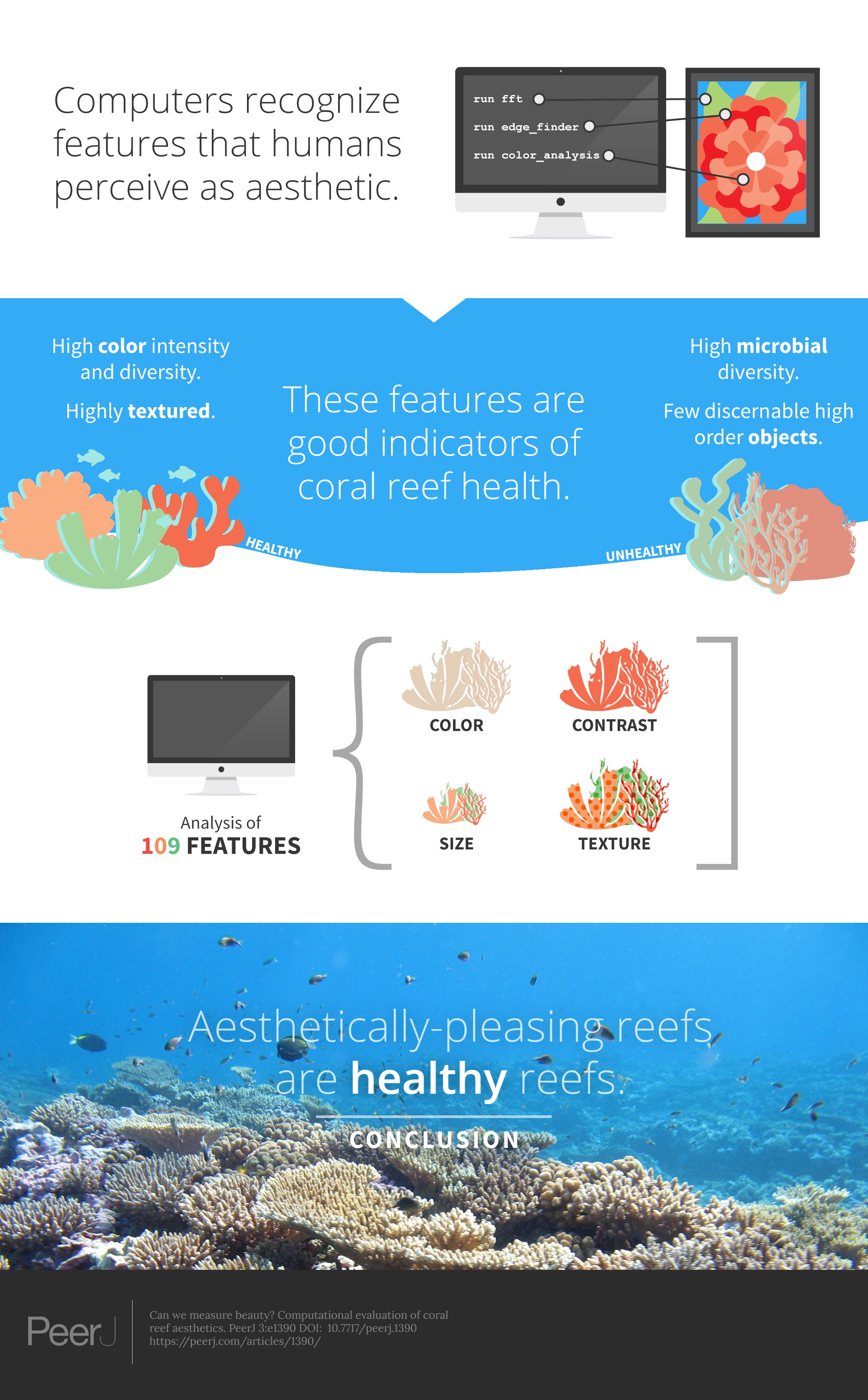
Computers can measure coral reef beauty

Can we measure beauty? Computational evaluation of coral reef aesthetics. Computers can identify visual features that humans find aesthetically-pleasing. Researchers used this to identify 109 such features to assess the aesthetic value of coral reefs; the main categories were size and distribution of objects, color brightness and hue distribution, and texture. The results of studying 2000 images showed that the aesthetic values assigned to the reefs ultimately correlated to their health scores.
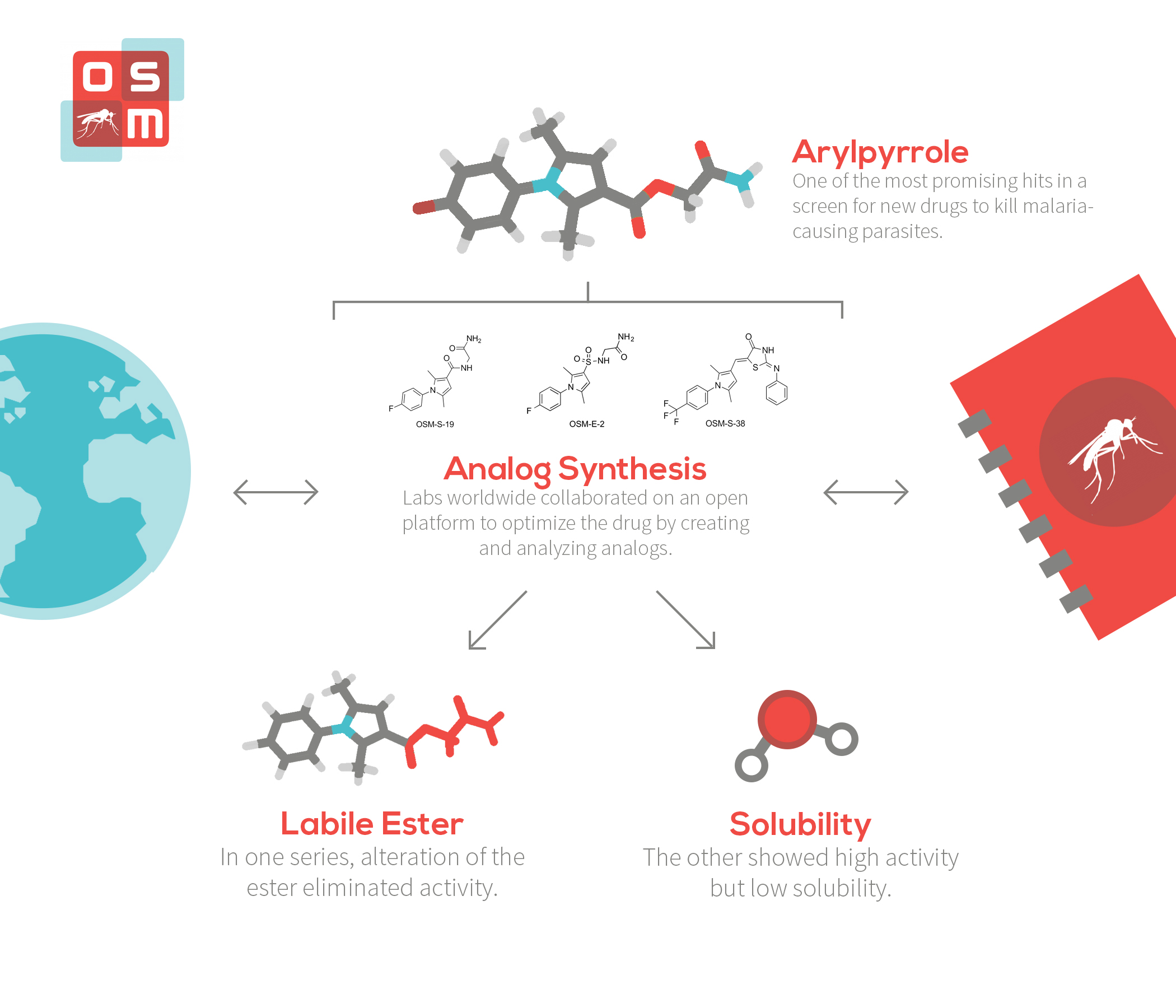
OSM: A worldwide collaboration to cure malaria

Highly Potent Antimalarial Compounds Derived from the GlaxoSmithKline Tres Cantos Arylpyrroles. Researchers made several molecules, and measured the ability of those molecules to kill the parasite that causes malaria. Many people have contributed from around the world (47 authors, 8 countries) using a publicly-available online "labbook". The molecules were very capable of killing the parasite, but didn’t quite perform well enough in a malaria-infected mouse to proceed any further.

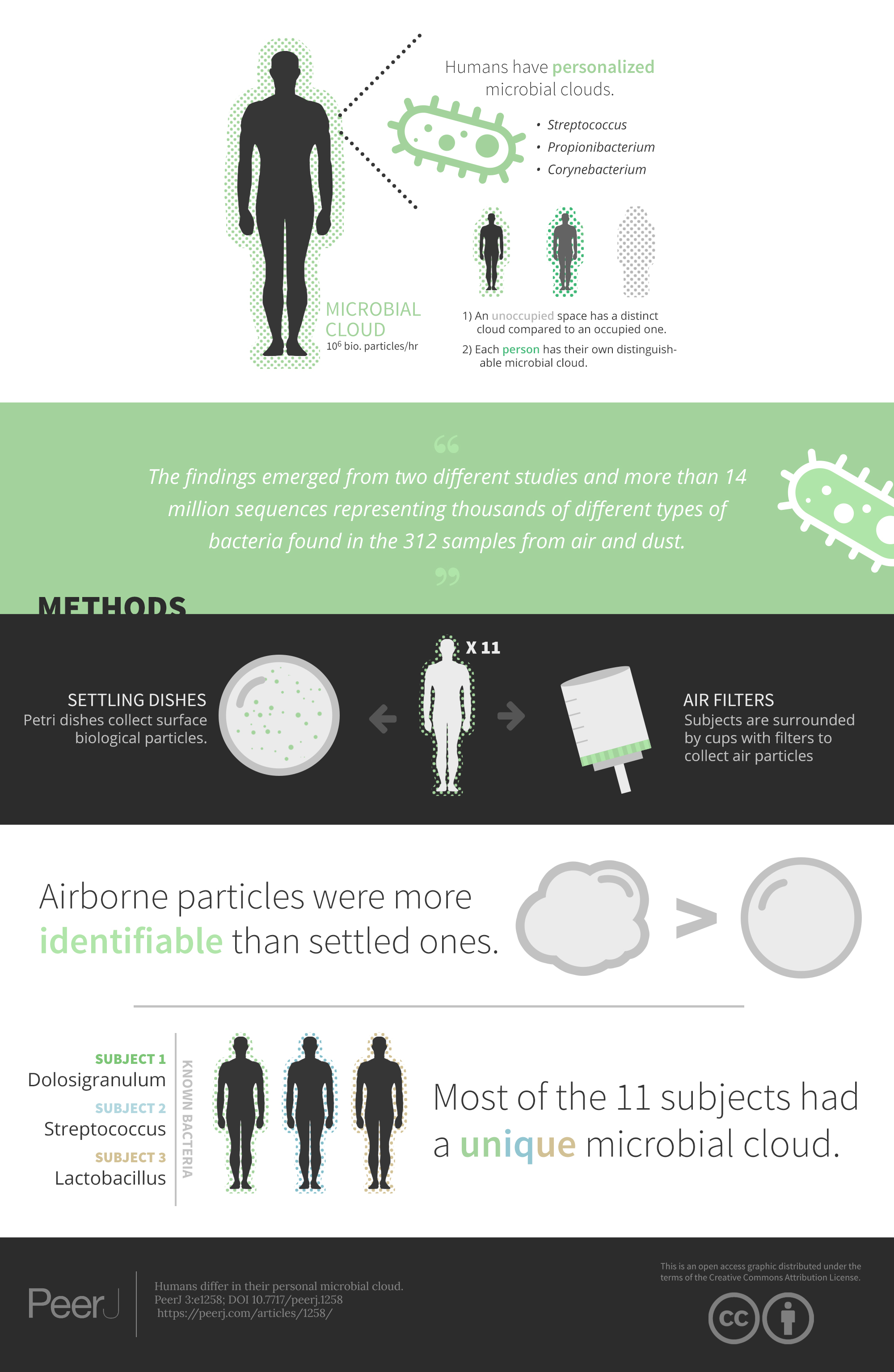
Humans have personalized microbial clouds

Humans differ in their personal microbial cloud. We each give off millions of bacteria from our human microbiome to the air around us every day, and that cloud of bacteria can be traced back to an individual. To test this, researchers sequenced microbes from the air surrounding 11 different people in a sanitized experimental chamber.

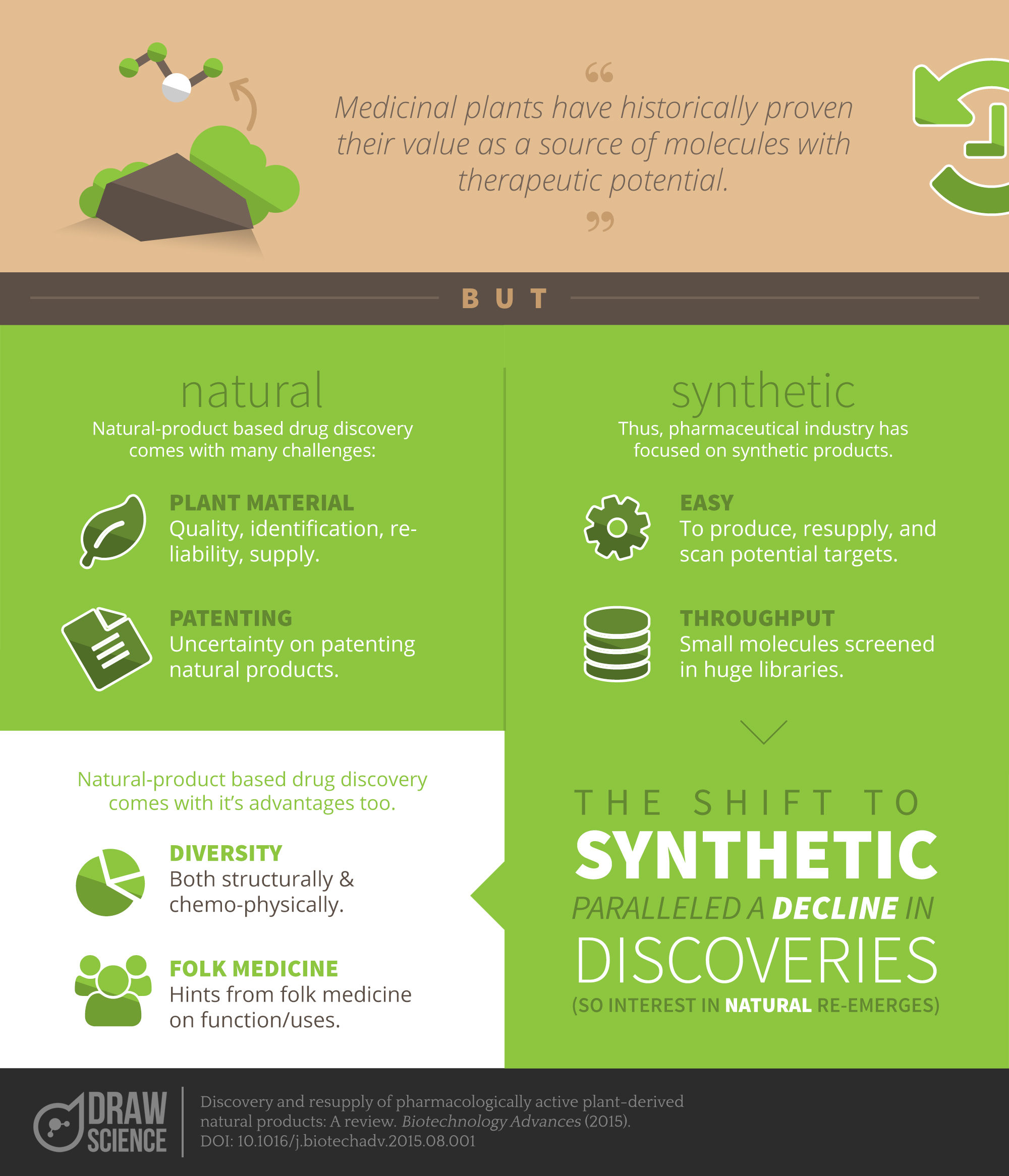
Natural products: better, but difficult drug discovery

Discovery and resupply of pharmacologically active plant-derived natural products: A review. While natural product-based drug discovery and development represents a complex endeavor demanding a highly integrated interdisciplinary approach, the recent scientific developments, technological advances, and research trends clearly indicate that natural products will be among the most important sources of new drugs also in the future.

Load More Posts